New stock Arrived | FREE shipping on orders $199+

Ratchet vs Breaker Bar: When to Use Each | Zero Tools
Grab the wrong tool for a stuck bolt and you'll either strip the fastener or snap the internals of your ratchet. Knowing when to reach for a ratchet and when to switch to a breaker bar is one of those things experienced mechanics do without thinking, but it trips up almost everyone starting out.
What a Ratchet Is Actually Built For
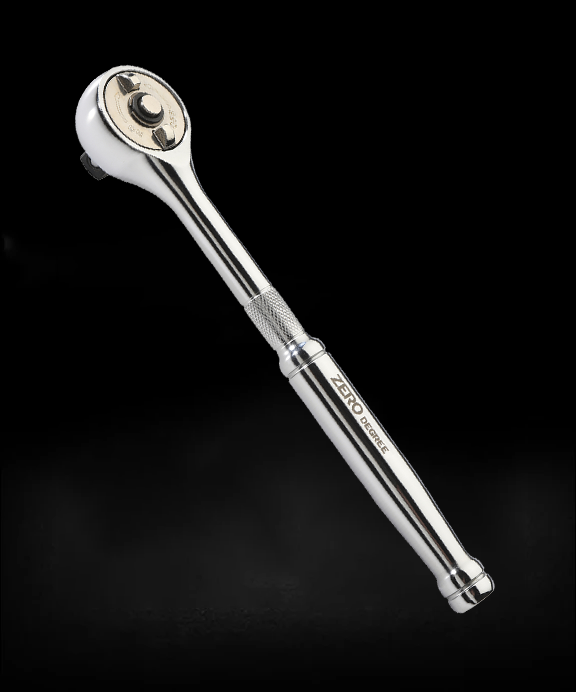
A ratchet is a control tool, not a brute-force tool. Inside the head is a mechanism, either geared teeth or a gearless roller clutch, that lets the handle swing back and forth without needing to lift the socket off the bolt between turns. That's what makes a ratchet fast for routine work.
Ratchets are the right choice when:
- You're removing or tightening bolts that aren't seized or over-torqued
- You need speed and repeated motion, like working through a row of wheel nuts
- You're doing final torque adjustments where control matters more than raw force
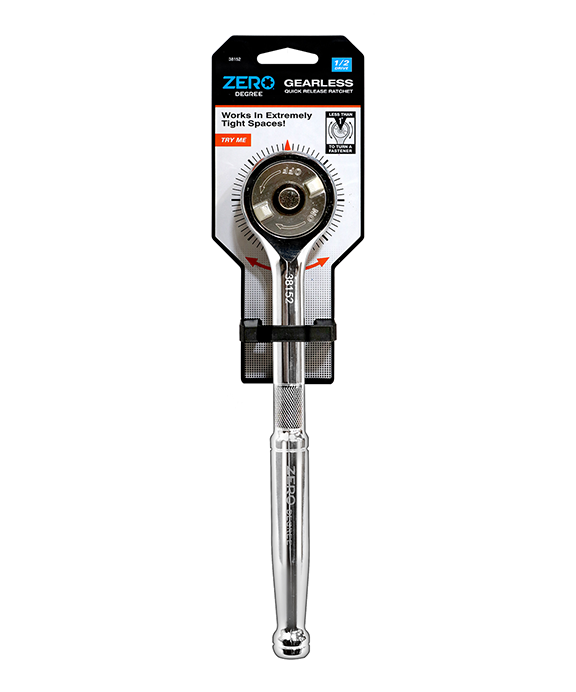
A gearless ratchet handle is especially good here because the internal roller clutch handles repeated strokes without the wear that eventually causes a geared ratchet to slip or skip teeth.
What a Breaker Bar Is Actually Built For
A breaker bar has no internal mechanism at all. It's a solid steel bar with a fixed drive head, which means every bit of force you apply goes straight into the fastener with nothing to click, slip or give. That's exactly what you want when a bolt has seized from rust, corrosion or over-tightening.
Reach for a breaker bar when:
- A bolt won't move with a ratchet, no matter how much force you apply
- You're breaking loose a fastener that's rusted, corroded or torqued beyond spec
- You need to apply body weight or a cheater pipe safely, since a ratchet's internal parts aren't rated for that kind of stress
Why Using a Ratchet Like a Breaker Bar Is a Bad Idea
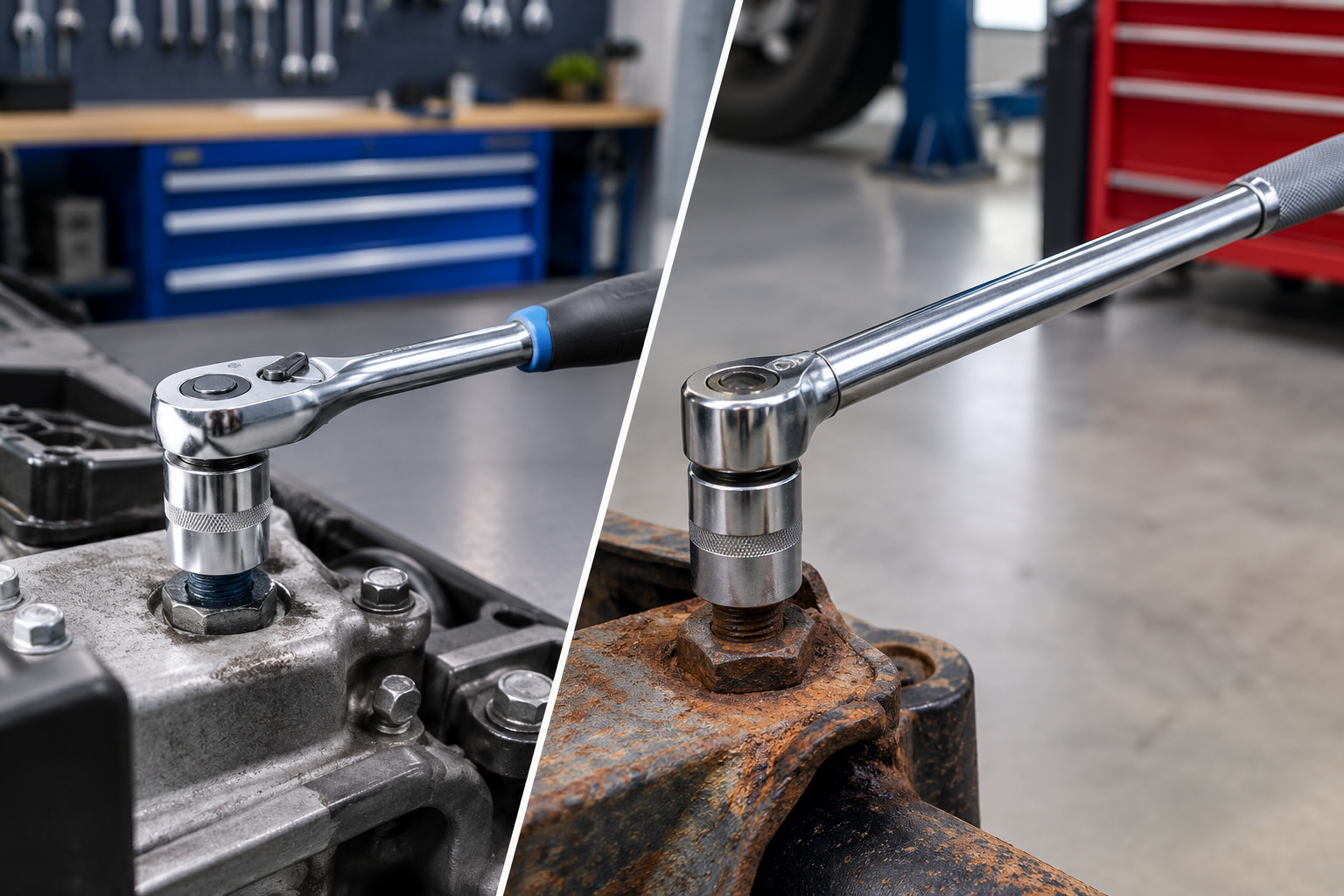
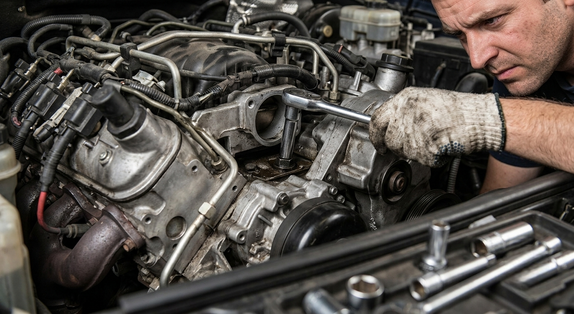
This is where most damage happens. Pushing a ratchet past its rated torque to break a seized bolt puts direct stress on the internal mechanism. Geared ratchets can shear their teeth, and even a well-built roller clutch has a limit. Once that happens, the ratchet either seizes up completely or starts slipping under normal use, which means you've damaged a precision tool trying to do a demolition job.
The safer workflow: use a breaker bar to crack the bolt loose first, then switch to your ratchet for the actual removal once it's moving freely. This protects your ratchet's internals and gets the job done faster, since breaker bars are built with longer handles that give you far more leverage than a ratchet ever will.
Building Both Into Your Kit
A breaker bar doesn't replace a ratchet, and a ratchet can't safely replace a breaker bar. Most serious tool kits carry one of each in matching drive sizes, so whichever fastener you're up against, you're reaching for the right tool rather than forcing the wrong one to do a job it wasn't built for.
Browse our full range of ratchet handles engineered for smooth, reliable everyday use, or head back to the Zero Tools homepage to see the full lineup.
Leave a comment