New stock Arrived | FREE shipping on orders $199+

When Your Socket Fits the Bolt but Your Tool Still Cannot Reach It
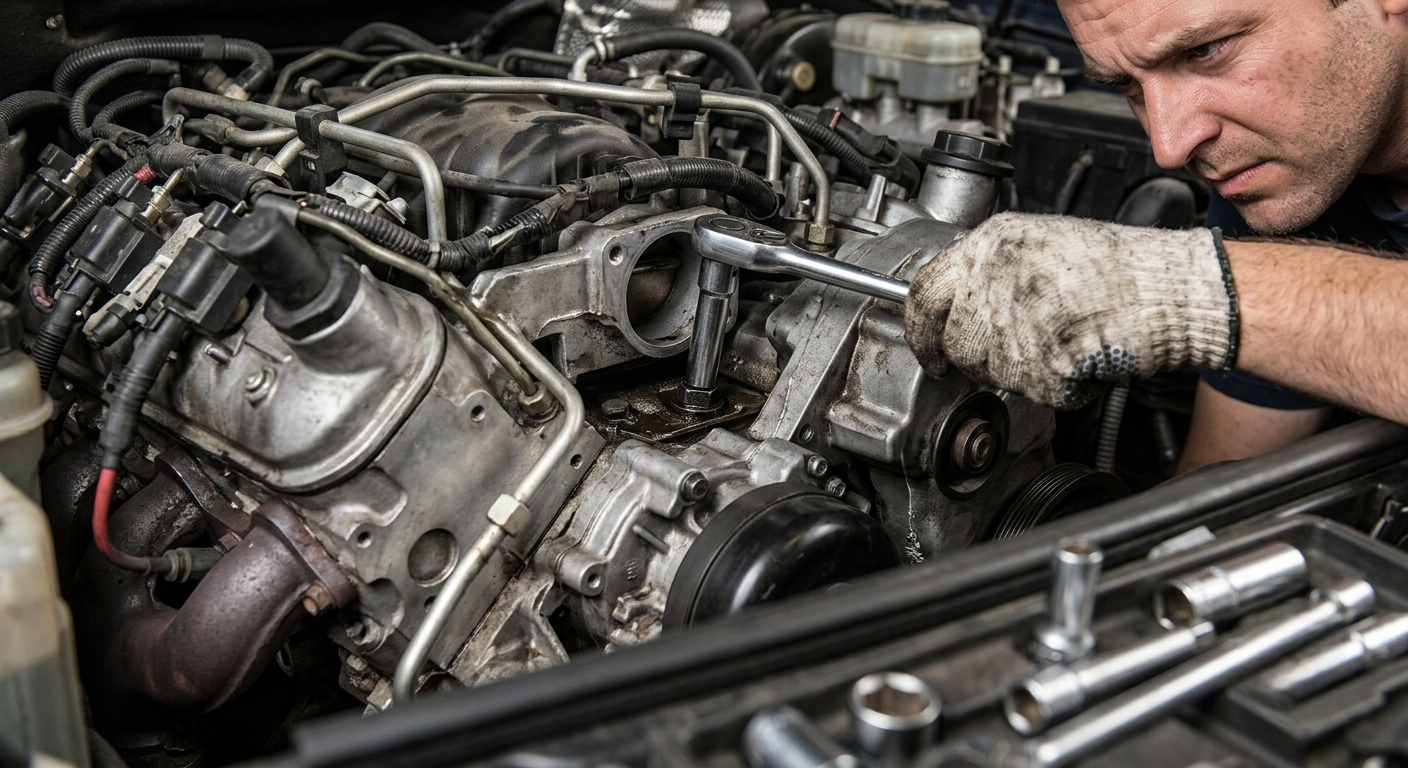
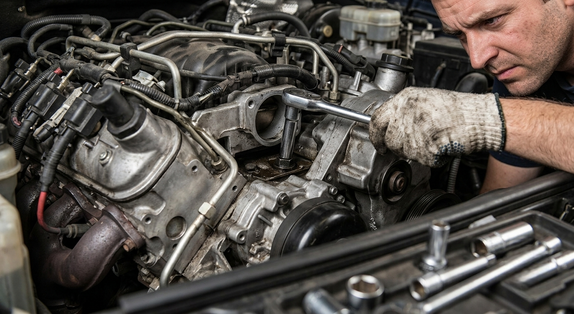
Have you ever found the correct socket size but struggled to reach the bolt? This is a common problem during automotive repairs, especially when working around engine components, brackets, hoses and narrow spaces.
The solution isn't always a bigger tool or more force. Choosing the right socket extension, deep socket or ratchet wrench can make the job easier while helping prevent damage to fasteners and surrounding components.
Why Can't Your Tool Reach the Bolt?
Several factors can make bolt access difficult:
-
Recessed bolts: The fastener sits deep inside a housing or mounting point.
-
Limited handle clearance: The ratchet hits nearby components before you can turn it.
-
Obstructed access: Hoses, wiring or brackets block a straight approach.
-
Incorrect tool setup: The socket fits, but its depth or connection limits access.
Identifying the problem first helps you select the right tool instead of wasting time forcing it into position.
Which Tools Can Help?
1. Socket Extension Bar
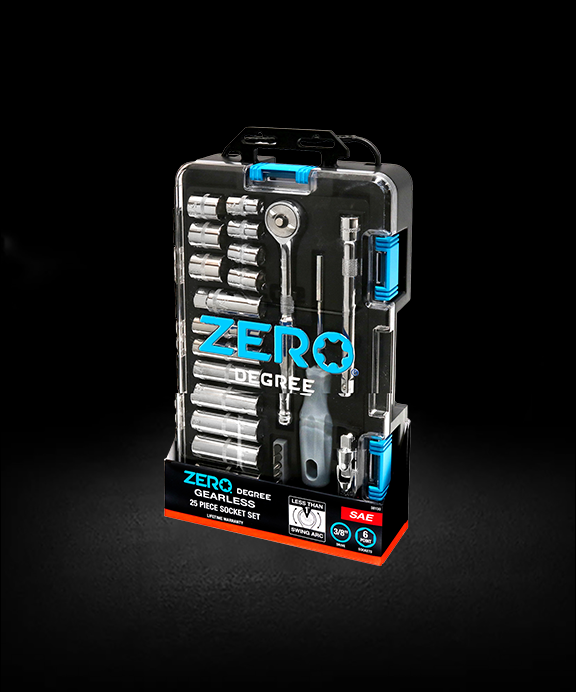
A socket extension moves the ratchet handle away from the bolt, making it easier to reach fasteners behind brackets or inside narrow openings. Choose a suitable length to maintain control and alignment.
2. Deep Socket
A deep socket is useful when a threaded stud protrudes through a nut or when a standard socket lacks sufficient internal depth. However, it won't solve every handle-clearance problem.
3. Universal Joint
A universal joint allows the socket to approach a fastener at an angle when direct access is blocked. Keep the angle as small as practical to reduce slipping and maintain control.
4. Compact or Gearless Ratchet
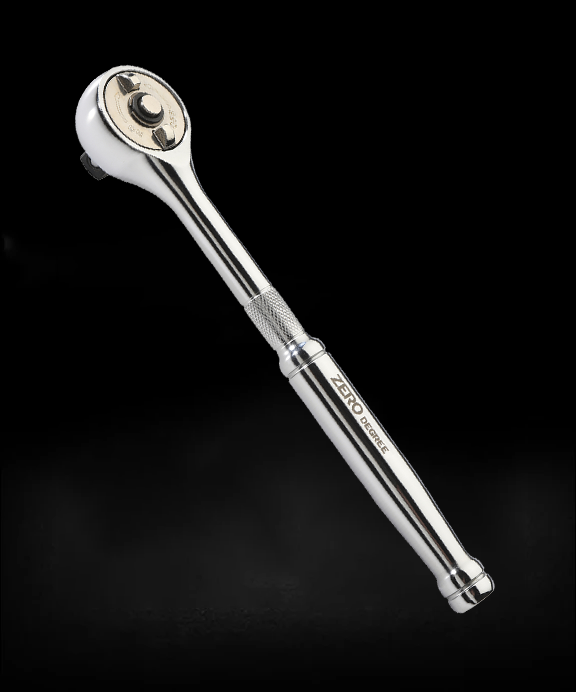
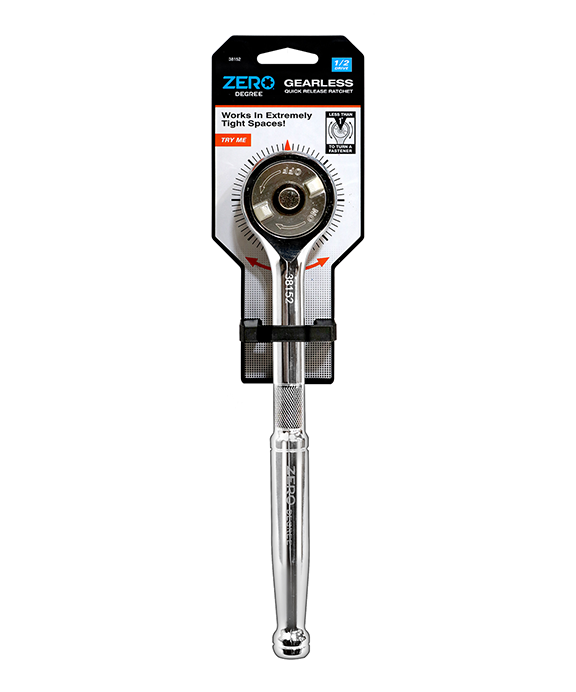
When the main problem is limited handle movement, a compact ratchet or a gearless ratchet with a small swing arc can help. These tools are particularly useful in confined engine bays where a conventional ratchet needs more room to operate.
Explore the available tools at Zero Tools.
Common Mistakes to Avoid
Using the wrong tool setup can damage both the fastener and surrounding components. Avoid these mistakes:
- Forcing a ratchet against nearby parts.
- Using the wrong socket size.
- Choosing an extension that makes alignment difficult.
- Applying force when the socket is sitting at an angle.
- Using a ratchet to loosen a heavily seized bolt when a suitable breaker bar is more appropriate.
For more guidance, read our related article: Ratchet vs Breaker Bar: When to Use Each.
How to Choose the Right Tool
Before starting, check whether the problem is bolt depth, handle clearance or an obstructed approach. Use an extension for additional reach, a deep socket for protruding studs, or a low-swing-arc ratchet when movement is restricted.
For better fastener engagement, you can also read our guide to 6-Point vs 12-Point Sockets.
Choosing the correct automotive hand tools makes repairs more controlled and reduces the risk of rounded bolts or damaged components.
Frequently Asked Questions
Why does my socket fit but not reach the bolt?
The bolt may be recessed, or surrounding components may prevent the socket and ratchet from reaching the correct position. An extension or a different ratchet setup may help.
Is a deep socket better than an extension?
They serve different purposes. A deep socket accommodates protruding studs, while an extension increases the distance between the socket and ratchet handle.
Can a gearless ratchet help in tight spaces?
Yes. A gearless ratchet designed for a small swing arc can operate where handle movement is restricted, although an extension may still be necessary.
Final Thoughts
When your socket fits the bolt but your tool cannot reach it, the key is choosing the right combination of tools. Socket extensions, deep sockets, universal joints and compact ratchets each solve different access problems.
Explore Zero Tools for gearless ratchets and workshop tools that help make automotive fastening tasks more efficient.
Leave a comment