New stock Arrived | FREE shipping on orders $199+

6-Point vs 12-Point Sockets: Which Should You Buy?
If you've ever stood in front of a wall of sockets wondering why some have six corners and others have twelve, you're not alone. It's one of the most common questions from beginners building their first tool kit, and it trips up a few experienced mechanics too. The short answer: they're built for different jobs, and having both in your kit will save you a lot of frustration down the track.
What's the Actual Difference?
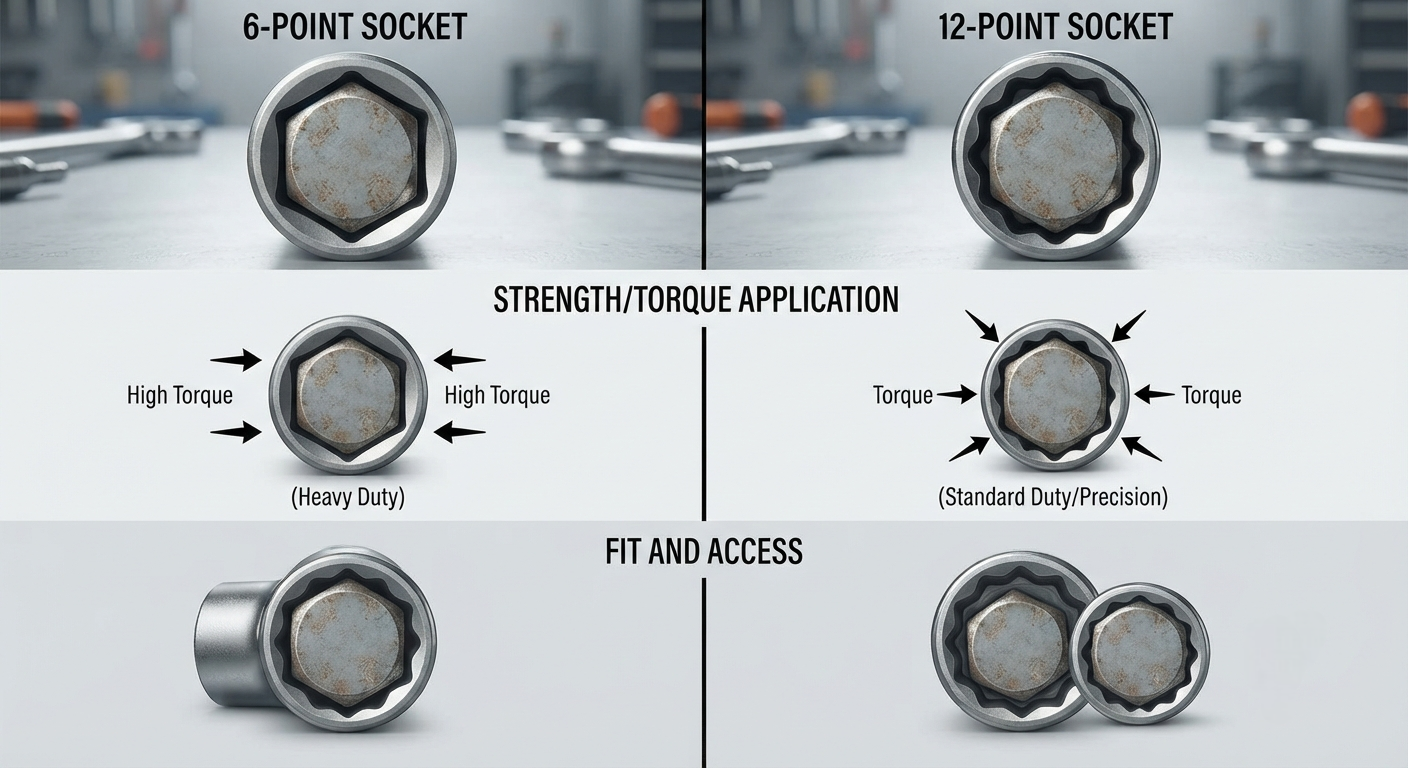
A 6 point socket has six flat internal sides that match the six corners of a standard bolt or nut. A 12 point socket has twelve points instead, which means it fits onto the fastener in twice as many positions.
That extra flexibility sounds like a win, but it comes with a trade-off. Because a 12 point socket only touches the bolt at its corners rather than along the full flat, it puts more pressure on a smaller contact area. On a rusted, worn or cheap fastener, that's exactly the kind of pressure that rounds off the corners and turns a five-minute job into a battle.
When a 6 Point Socket Is the Better Choice
Go with a 6 point socket when:
- You're working on high-torque fasteners like suspension bolts, engine mounts or wheel nuts
- The bolt is rusted, corroded or already shows signs of wear
- You need maximum grip and minimal risk of rounding
- You're using an impact wrench, since 6 point sockets are almost always the standard for impact-rated sets
The flat, full-contact grip of a 6 point socket spreads the load evenly across the fastener, which is why most professional mechanics default to 6 point for anything that's been sitting exposed to the elements or torqued down hard at the factory.
When a 12 Point Socket Makes Sense
A 12 point socket earns its place when:
- You're working in a tight engine bay with limited swing room, since you can drop it onto the bolt from more angles
- You're dealing with light to moderate torque fasteners, like interior trim bolts or smaller hardware
- You're using it with a ratcheting spanner, where the extra points line up with the spanner's own head positions
If you've picked up one of our ratchet spanner sets, you've probably noticed the 12 point box end on the ratchet side. That's intentional. It's the same reasoning: more entry points for awkward angles where a 6 point just won't clear.
So Which One Should You Buy?
For most home garages and tradies, the honest answer is both. A proper socket collection covers 6 point for anything torqued hard or showing rust, and 12 point for tight clearance work where angle matters more than raw grip. If you're only buying one set to start, lean 6 point, since it handles the widest range of jobs without the rounding risk.
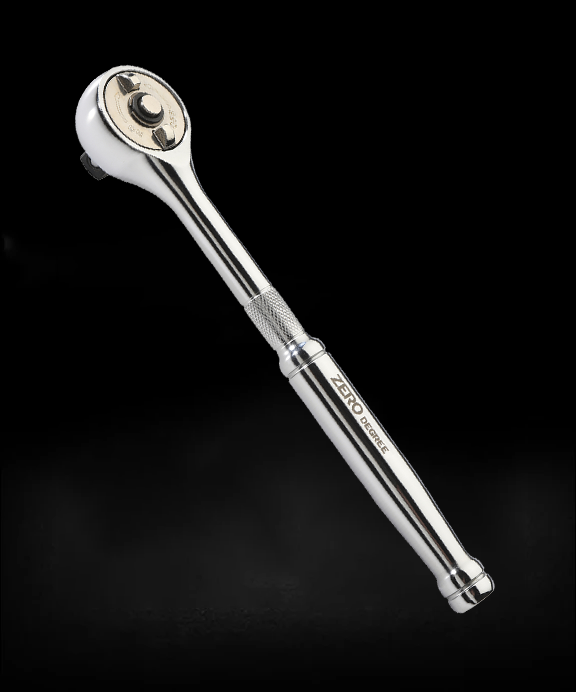
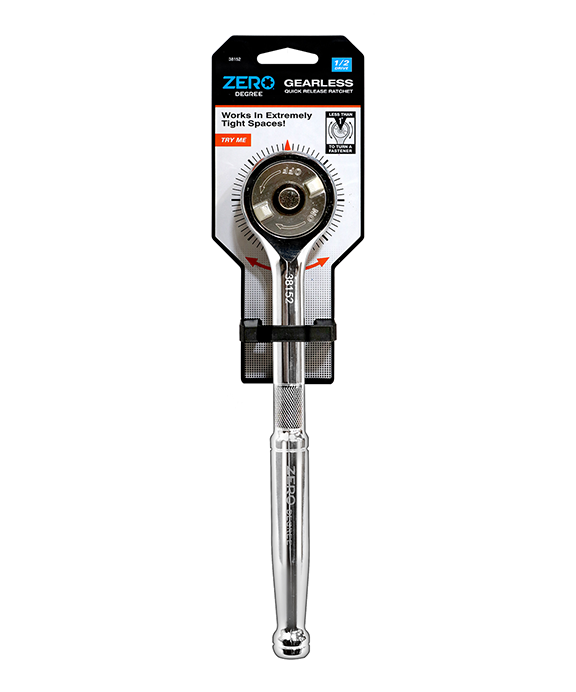
Pair either socket type with a reliable ratchet handle that has minimal swing arc, and you'll get a cleaner, faster turn in tight spaces regardless of which socket you're running.
The Bottom Line
Six point sockets protect the fastener and handle serious torque. Twelve point sockets buy you flexibility in tight spots. Neither one is objectively "better" — it comes down to matching the socket to the job in front of you. Building a kit with both means you're never caught out, whether you're breaking a rusted bolt free or working blind behind a dashboard.
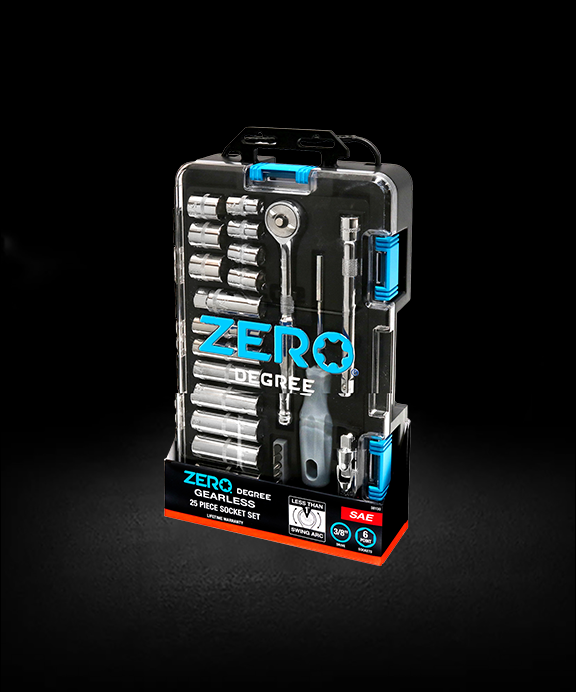
Browse our full range of gearless ratchet sets engineered for exactly these situations, or head back to the Zero Tools homepage to see what's new in stock.


Leave a comment