New stock Arrived | FREE shipping on orders $199+

Why Australian Tradies Are Moving Away from Geared Ratchets
For a long time, the geared ratchet was the only choice in most tool boxes. It has small teeth inside that click and lock the bolt in place. It works fine for most jobs. But more tradies across Australia are now picking up a gearless ratchet instead. Here is why.
Geared Ratchets Wear Out Faster
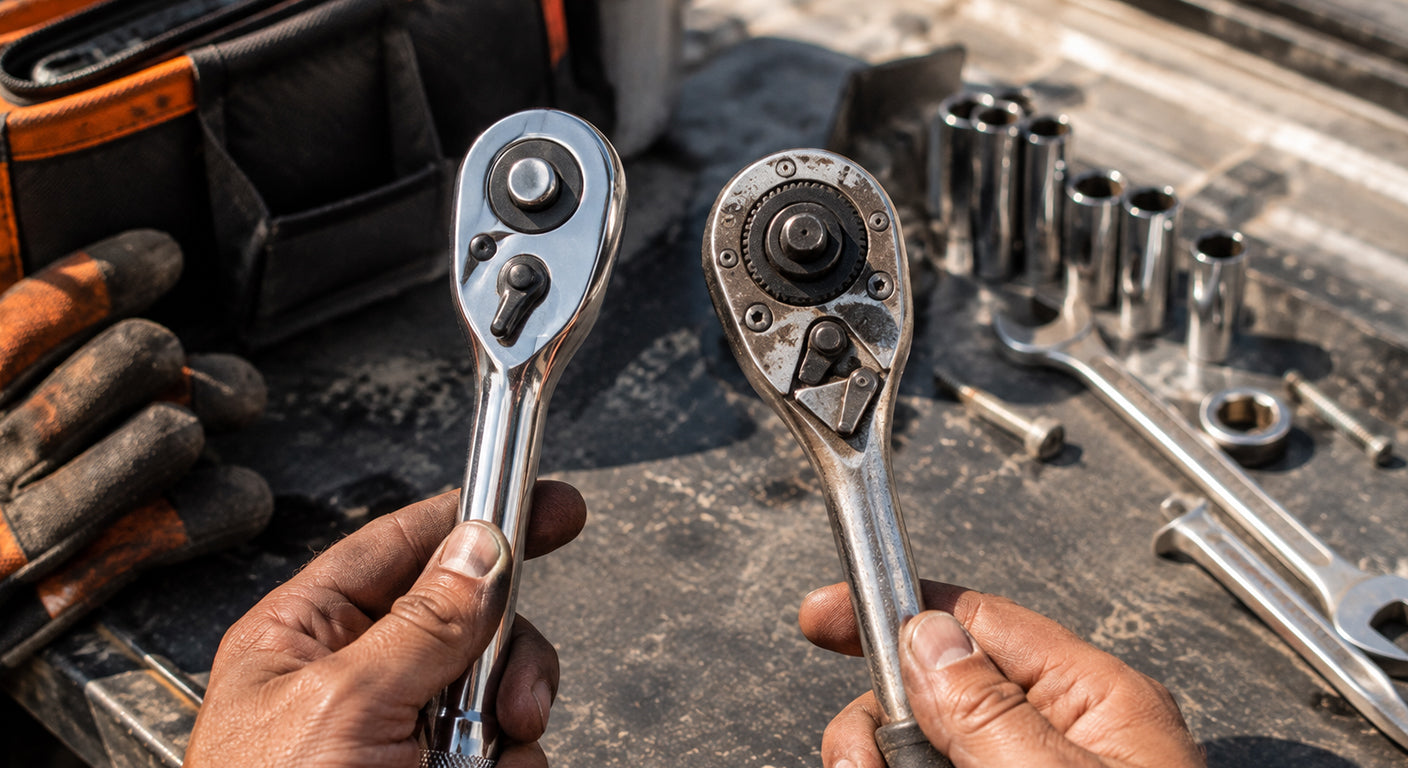
A geared ratchet has small teeth called pawls. Every time you turn the ratchet, these teeth grip and let go, again and again. Over time, this wears the teeth down. Once the teeth get worn, the ratchet starts to slip. You feel it skip under load, and your knuckles hit the nearest hard surface. This is one of the biggest reasons tradies get tired of geared tools.
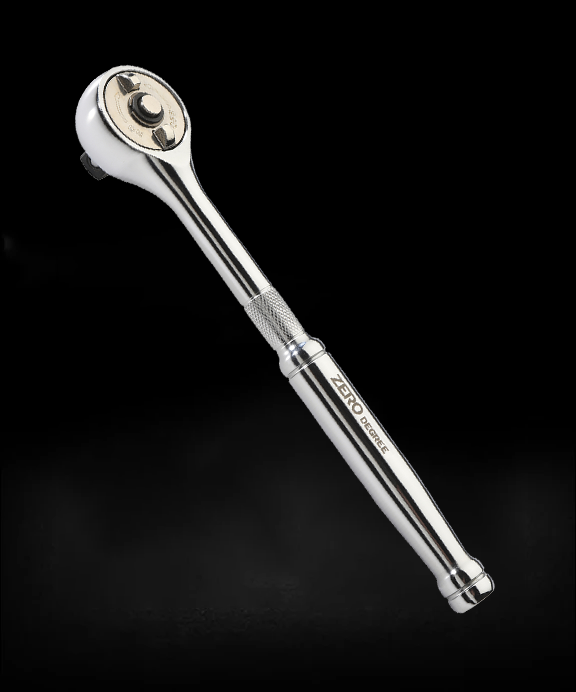
A gearless ratchet does not use teeth at all. It uses small rollers that lock in place with almost no gap. There is nothing to wear down the same way, so it keeps a strong grip for much longer.
Geared Ratchets Need More Room to Swing
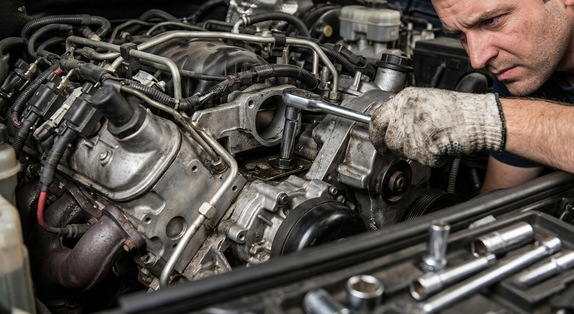
A normal geared ratchet needs a fair bit of space to move before it clicks over to the next tooth. In a tight engine bay or under a machine, that space is not always there. You end up taking the ratchet off, moving it a little, and putting it back on. That slows the job down a lot.
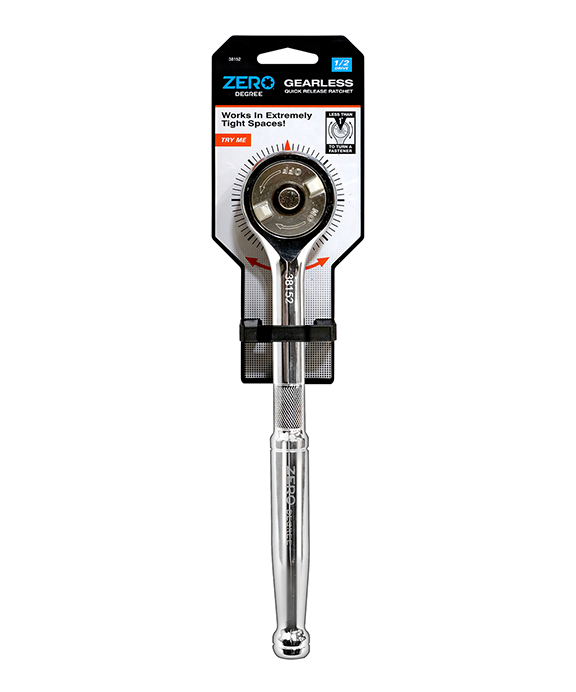
A gearless ratchet only needs a tiny bit of swing to lock in — often less than one degree. This means you can work in tight spots without taking the tool on and off every few seconds. For tradies who work on cars, trucks, or machinery all day, this saves real time.
More Torque, Less Effort
Because a gearless ratchet grips so tightly with no gap, it holds torque better under load. You are less likely to feel it slip when you push hard on a stuck bolt. Some lab tests show gearless designs handle far more force before they fail compared to a standard geared ratchet.
This matters a lot for jobs like automotive repair, machinery work, and anything where a bolt has been sitting rusted or over-tightened for years.
Less Noise, Smoother Feel
Geared ratchets make a loud clicking sound every time you turn them. Some tradies do not mind this. But a gearless ratchet moves in a smoother, quieter way. There is less vibration in your hand too, which makes a big difference after a full day of turning bolts.
Fewer Tools Break Down on the Job
A geared ratchet has more small parts inside — teeth, springs, and a pawl that can jam or break. A gearless ratchet has fewer moving parts, so there is less that can go wrong. For a tradie who needs the tool to work every single day, this is a big reason to switch.
Why This Matters for Australian Tradies
Aussie tradies often work in tough conditions — hot workshops, tight engine bays, rushed jobs, and old rusted bolts that do not want to move. A tool that slips, wears out fast, or needs extra room to swing just makes the job harder. That is why more tradies are leaving the old geared ratchet behind and picking up a gearless ratchet instead. It is not about following a trend. It is about a tool that grips better, lasts longer, and gets the job done faster in tight Aussie work spaces.
Leave a comment