New stock Arrived | FREE shipping on orders $199+

How to Increase Productivity in Your Workshop
Most productivity problems in a workshop aren't about working faster. They're about all the small delays that add up over a day: hunting for a tool, walking back and forth to a bench, or stopping mid-job because something isn't where it should be. Fix those, and you get more done without actually rushing anything. Here's where to start.
Set Up Zones Instead of One Big Space
Workshops run more smoothly when they're broken into zones rather than treated as one open area. Group your work into rough stages, cutting, assembly, finishing, wiring, whatever applies to your trade, and keep the tools for each stage close to where that work actually happens. This cuts down on the constant back-and-forth that eats into a day without you noticing.
Keep Frequently Used Tools Within Arm's Reach
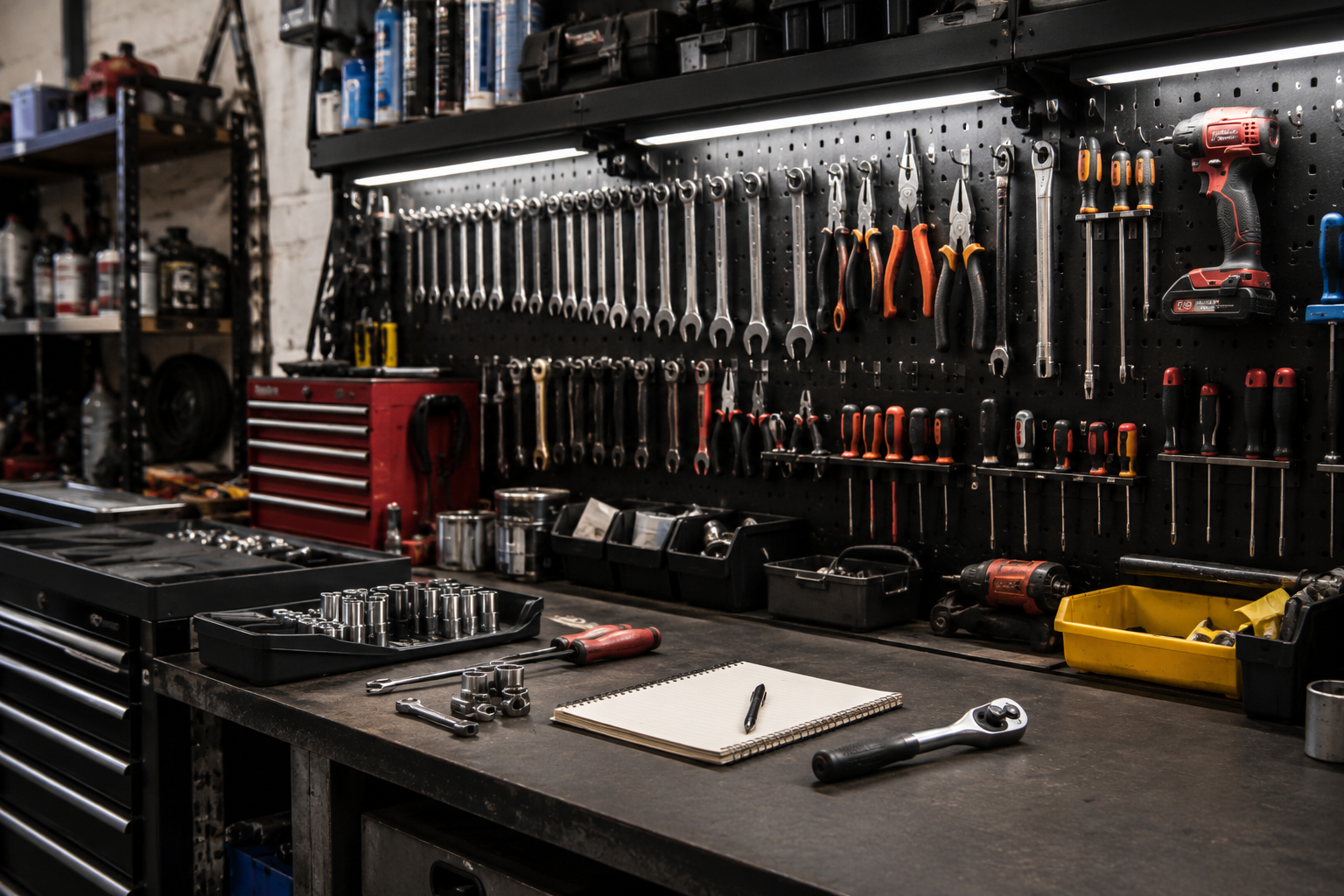
The tools you reach for constantly should never be buried in a drawer or across the room. A pegboard, a rolling tool chest, or a bench-mounted rack near your main work area keeps your everyday tools visible and within a step or two. Save the deep storage for specialty tools you only pull out occasionally.
Shadow Boards and Labelled Storage
A shadow board, where each tool has an outlined spot on a board or in a drawer, does two things at once. It tells you instantly if something's missing, and it makes putting tools away just as fast as taking them out. Labelled bins and drawers work the same way for fasteners, consumables, and smaller parts. The goal is that nothing requires thinking about where it lives.
Invest in Tools That Do More in Less Time
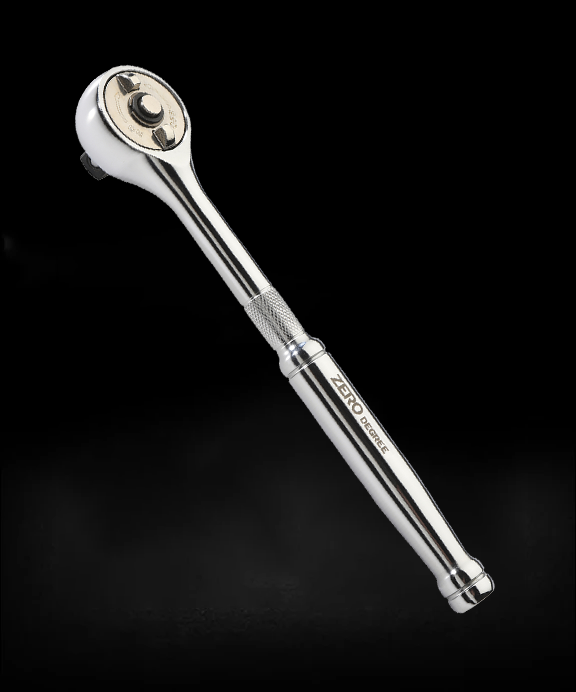
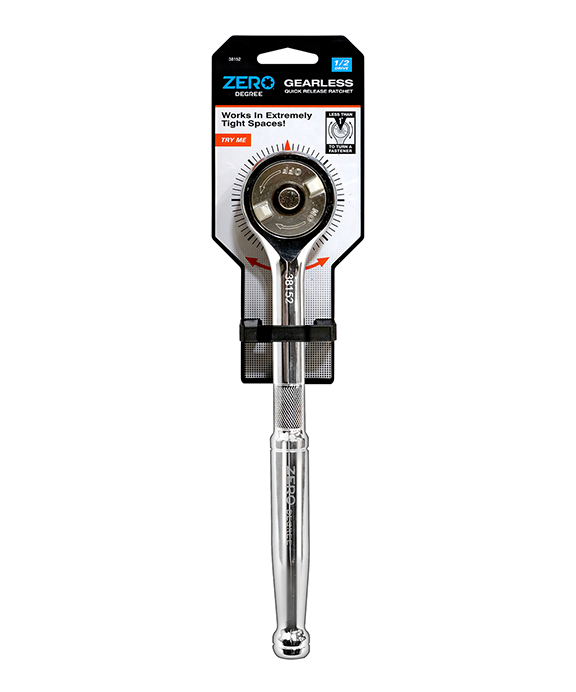
Sometimes the biggest productivity gain isn't organisation, it's the tool itself. A quality ratchet with a fine-tooth mechanism gets a fastener done in a fraction of the swing angle a cheaper one needs. Cordless power tools cut out the drag of managing cords across a workshop floor. When a tool consistently slows you down or needs extra effort to get the job done, it's often cheaper in time to upgrade it than to keep working around its limitations.
Do a Weekly Reset
Even a well-organised workshop drifts out of order during a busy week. Setting aside ten or fifteen minutes at the end of the week to return tools to their spots, sweep up, and restock consumables means you start the next week ready to go instead of losing the first hour to tidying up.
Reduce Decision Fatigue
Constantly deciding what to do next, where to find something, or which tool to grab adds up mentally over a day. Keep a simple running task list for bigger jobs, and standardise your setup so the same tools are always in the same place. The less you have to think about logistics, the more mental energy goes into the actual work.
Maintain Tools Before They Slow You Down
A dull blade, a ratchet that's started slipping, or a drill with a worn chuck all cost you time in small, constant ways, extra passes, extra force, redoing a step that should have worked the first time. Build a quick maintenance check into your routine, cleaning, oiling moving parts, checking for wear, so your tools are performing at their best rather than fighting you.
Light and Power Placement Matter More Than You'd Think
Poor lighting slows down detail work and increases mistakes, while awkwardly placed power outlets mean constantly moving extension leads or power tools around. A few well-placed lights over your main work areas, and outlets positioned where you actually use power tools, remove friction you might not even realise is slowing you down.
Small Changes, Real Time Saved
None of this requires a full workshop overhaul. Zoning your space, keeping key tools close, maintaining what you already own, and cutting down on unnecessary decisions all add up to real hours saved over a month. A productive workshop isn't about working harder, it's about removing everything that gets in the way of the work itself.

Leave a comment