New stock Arrived | FREE shipping on orders $199+

Why Some Hand Tools Last Decades While Others Fail Quickly
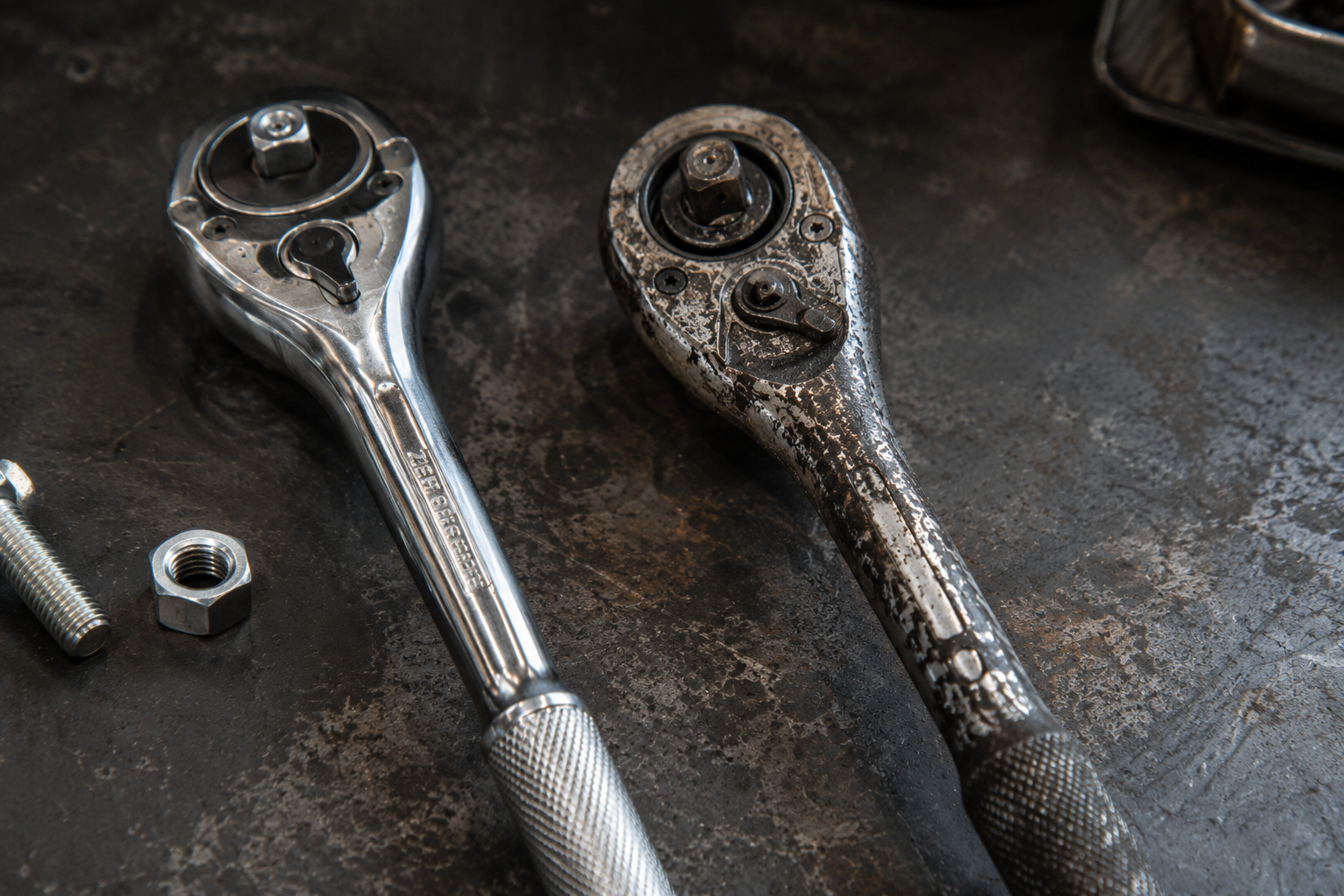
Most of us have a story like this: an old spanner or set of ratchets, inherited from a parent or picked up secondhand, that's outlasted three newer sets bought since. It's not nostalgia talking. There are real, physical reasons some hand tools survive decades of hard use while others crack, strip, or seize within months. Here's what actually makes the difference.
The Steel Makes the Tool
Not all steel is equal, and this is where the biggest gap between cheap and quality hand tools shows up. Better tools are forged from chrome vanadium or similar alloy steels, which hold their shape and edge under repeated stress. Lower-grade steel might look identical on the shelf, but it flexes, chips, or rounds off far sooner, especially under the torque loads that ratchets and spanners regularly deal with. Once the metal itself gives out, no amount of maintenance saves the tool.
Forged vs Cast Construction
There's a big difference between a tool that's forged and one that's cast. Forging shapes the steel under intense pressure, aligning the internal grain structure so the metal is dense and strong throughout. Cast tools are poured into a mould, which is cheaper to produce but leaves the metal more brittle and prone to cracking under load. If you've ever had a cheap wrench snap clean in half on a stubborn bolt, there's a good chance it was cast rather than forged.
Precision in the Moving Parts
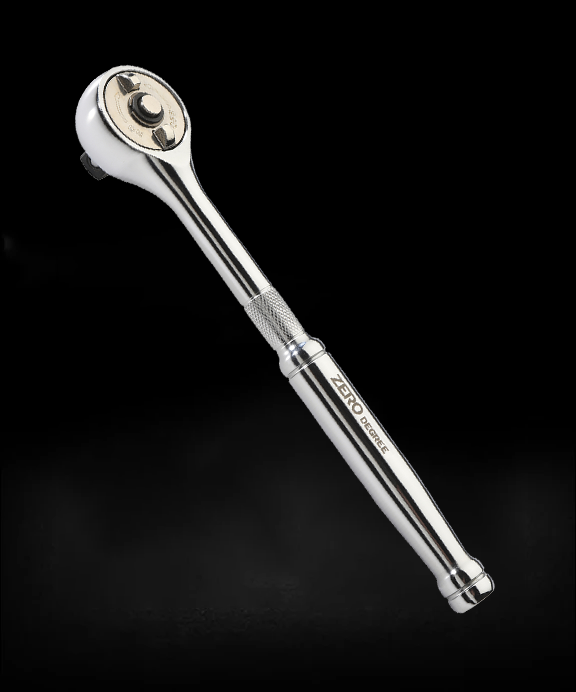
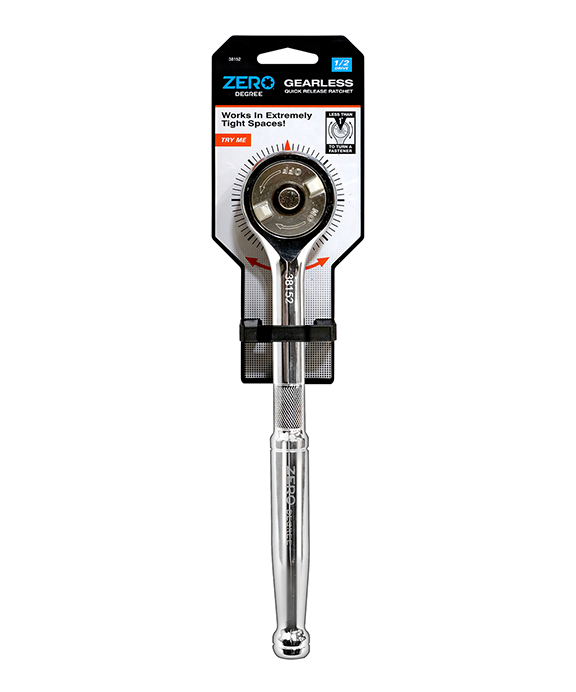
This is especially true for ratchets. A ratchet is only as good as the gear mechanism inside its head. Higher-quality ratchets use finer, more precisely machined teeth and a properly tensioned pawl spring, so the mechanism engages cleanly and doesn't wear unevenly over time. Cheaper ratchets often use looser tolerances, which means more play, faster wear, and that frustrating slipping feeling long before the tool should be due for retirement.
Heat Treatment and Hardening
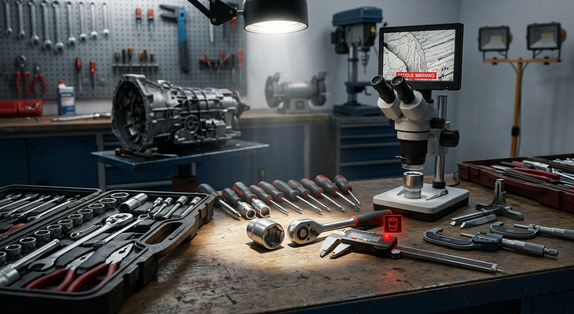
Even good steel needs to be treated correctly. Heat treatment hardens the steel to the right level, tough enough to resist wear, but not so brittle that it snaps. Get this step wrong, or skip it to cut costs, and you end up with tools that either bend out of shape under pressure or shatter unexpectedly. It's an invisible step in manufacturing, but it's one of the biggest reasons two tools that look the same can perform completely differently.
Coatings and Corrosion Resistance
A tool that lasts decades has usually been protected from the start. Chrome plating, or similar corrosion-resistant finishes, stops rust from creeping into the metal and weakening it over time. This matters more than people expect, especially for tools stored in garages, sheds, or toolboxes that see moisture. Once rust gets a foothold, it doesn't just look bad, it actively eats into the strength of the tool.
How You Use and Store Them Matters Too
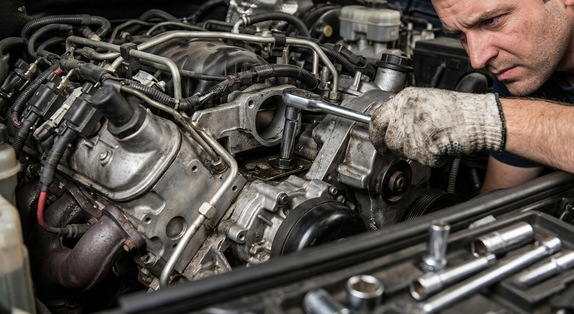
Even the best-built hand tools won't last if they're mistreated. A few habits make a real difference:
- Use the right tool for the job rather than forcing one to do something it wasn't designed for
- Keep ratchets and moving parts clean and lightly oiled
- Store tools somewhere dry, away from damp sheds or exposed toolboxes
- Avoid using extension bars or cheater pipes on tools not rated for the extra torque
- Retire tools once teeth, jaws, or edges show visible wear rather than pushing them past their limit
Cheap Tools Cost More in the Long Run
It's tempting to grab the cheapest set on the shelf, especially for occasional jobs. But a tool that fails halfway through a project, or worse, slips and causes an injury, ends up costing more in time, frustration, and sometimes replacement parts than paying properly for quality hand tools the first time around.
Well-made ratchets and hand tools aren't just about brand names. They come down to the steel, the construction method, the precision of the moving parts, and how well they're finished and protected. Get those right, and a good set of tools really can outlast the person who bought them.
Leave a comment