New stock Arrived | FREE shipping on orders $199+

Fixed Wrench vs Ratchet Wrench: When to Use Each
Choosing the right tool can make the difference between a quick repair and a frustrating afternoon. Two of the most commonly used hand tools are the fixed wrench and the ratchet wrench. While both are designed to tighten and loosen fasteners, they serve different purposes and excel in different situations.
If you're working on a vehicle, machinery, or DIY project, understanding when to use each tool will improve efficiency, reduce the risk of damaging fasteners, and make every job easier.
In this guide, we'll compare fixed wrench vs ratchet wrench, explain their advantages, and help you decide which one is best for your next project.
What Is a Fixed Wrench?
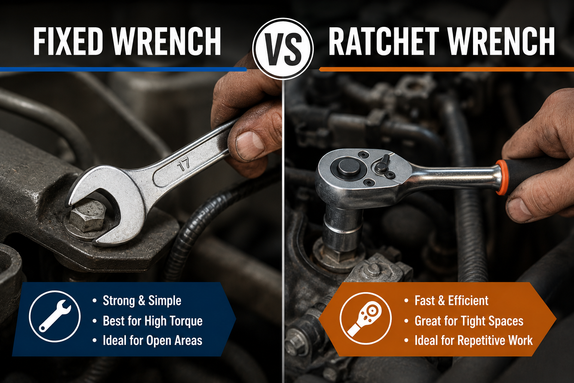
A fixed wrench, also known as an open-end or combination wrench, has a fixed-size opening designed to fit a specific nut or bolt.
Unlike a ratchet, it must be removed and repositioned after every turn.
Common Uses
-
Tightening bolts
-
Loosening nuts
-
Working in narrow spaces
-
Holding one side of a fastener while another tool turns the opposite side
-
General automotive and mechanical repairs
Because of its simple design, a fixed wrench is durable, reliable, and easy to use.
What Is a Ratchet Wrench?
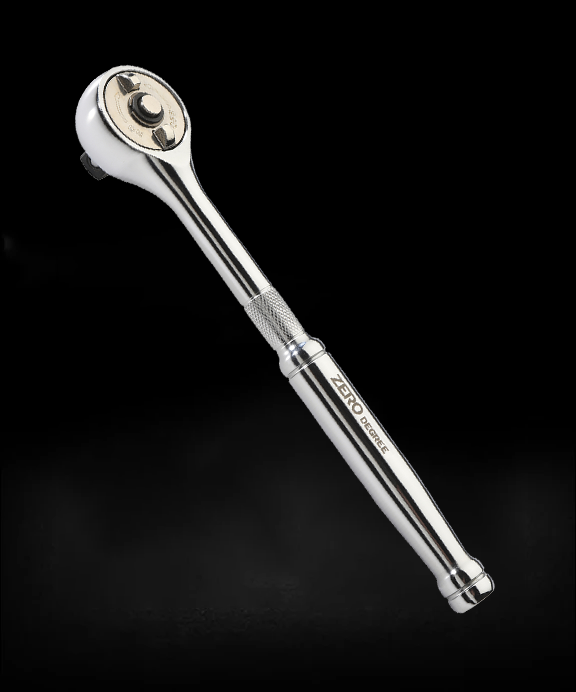
A ratchet wrench uses a ratcheting mechanism that allows continuous turning without removing the tool from the fastener.
Simply move the handle back and forth while the socket remains engaged.
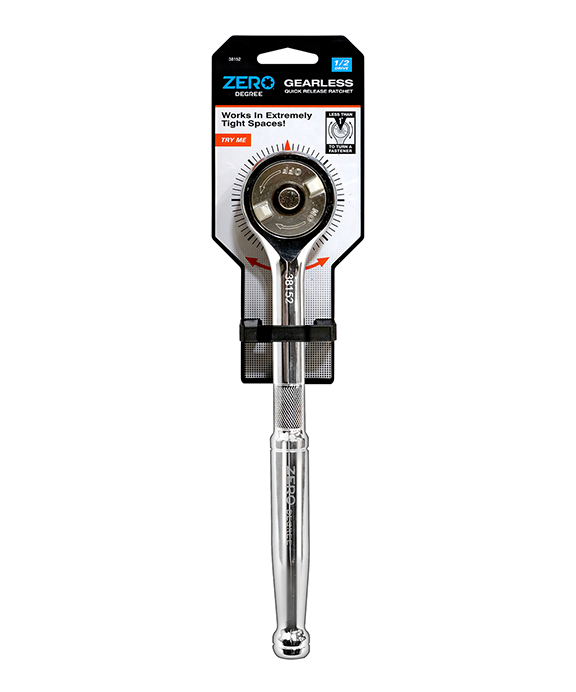
Modern gearless ratchets offer even smoother operation with an extremely small swing arc, making them ideal for confined spaces.
Common Uses
-
Automotive repairs
-
Engine maintenance
-
Suspension work
-
Workshop repairs
-
Assembly and disassembly tasks
A socket wrench paired with a quality ratchet can significantly speed up repetitive work.
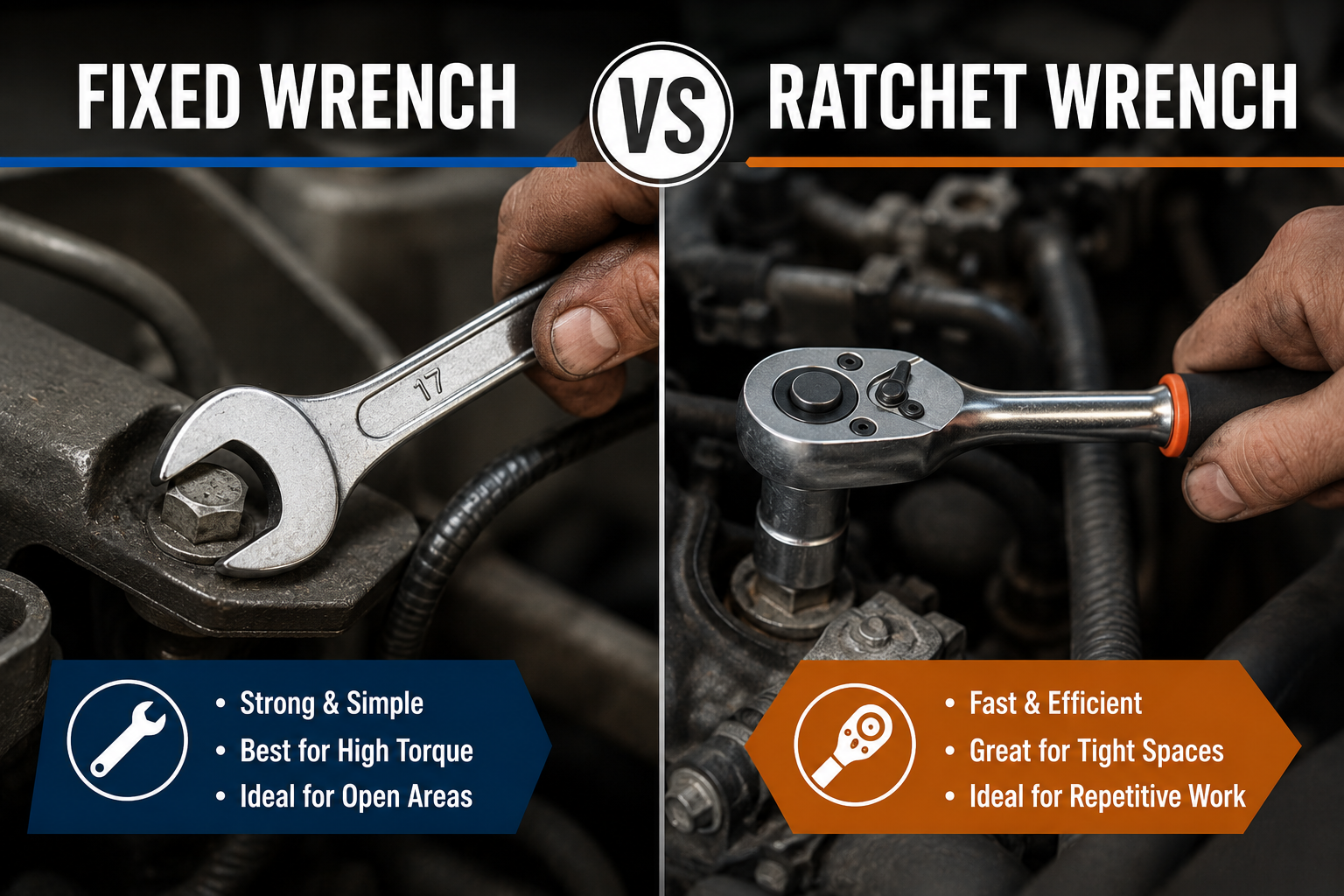
Fixed Wrench vs Ratchet Wrench: Key Differences
|
Feature |
Fixed Wrench |
Ratchet Wrench |
|
Speed |
Slower |
Faster |
|
Ease of Use |
Requires repositioning |
Continuous operation |
|
Tight Spaces |
Good |
Excellent, especially gearless ratchets |
|
Torque |
High |
High, depending on the model |
|
Socket Compatibility |
No |
Yes |
|
Best For |
Simple repairs |
Frequent fastening tasks |
When to Use a Fixed Wrench
A fixed wrench is often the better choice when:
1. Space Around the Bolt Is Limited
Sometimes there's not enough room for a ratchet and socket.
A slim fixed wrench can fit where larger tools cannot.
2. Holding a Nut in Place
During many repairs, you'll need to hold one side of a bolt while loosening the other.
A fixed wrench works perfectly for this.
3. Final Tightening
Many mechanics use a fixed wrench for the final tightening of smaller fasteners where precision and feel are important.
4. Simple Repairs
For occasional maintenance jobs, a fixed wrench is often all you need.
When to Use a Ratchet Wrench
A ratchet wrench is the better option when efficiency matters.
1. Removing Multiple Fasteners
If you're removing dozens of bolts, a ratchet saves significant time.
2. Automotive Repairs
Most vehicle maintenance tasks involve numerous bolts and nuts.
A ratchet wrench speeds up jobs such as:
-
Brake repairs
-
Engine maintenance
-
Suspension work
-
Battery replacement
-
Interior trim removal
3. Working in Tight Engine Bays
Modern vehicles have limited working space.
A gearless ratchet requires only a minimal swing arc, making it ideal for confined areas where a standard ratchet or fixed wrench may struggle.
4. Faster Assembly
Whether assembling machinery or installing components, a ratchet reduces repetitive hand movement and increases productivity.
Advantages of a Fixed Wrench
✔ Simple design
✔ Extremely durable
✔ Low maintenance
✔ Lightweight
✔ Easy to carry
✔ Excellent for holding fasteners
✔ Affordable
Advantages of a Ratchet Wrench
✔ Faster operation
✔ Greater efficiency
✔ Reduced hand fatigue
✔ Works with multiple socket sizes
✔ Ideal for repetitive work
✔ Excellent access in tight spaces
✔ Compatible with extension bars and universal joints
Which Tool Is Better for Automotive Repairs?
For most automotive jobs, a ratchet wrench is the preferred choice because it allows faster and more efficient work.
However, experienced mechanics rarely rely on just one tool.
A typical workshop uses both:
-
Ratchet wrench for removing and installing bolts quickly.
-
Fixed wrench for holding nuts, making adjustments, and accessing awkward locations.
Using both tools together often produces the best results.
Common Mistakes to Avoid
Avoid these common errors regardless of which tool you choose:
-
Using the wrong size wrench
-
Applying excessive force
-
Using worn sockets or damaged wrenches
-
Pulling instead of pushing when possible
-
Ignoring torque specifications
-
Using a fixed wrench where a socket provides better grip
Using the correct tool reduces the chance of rounded fasteners and damaged components.
Tips for Choosing Quality Hand Tools
When purchasing a ratchet wrench or fixed wrench, look for:
-
Chrome Vanadium (Cr-V) steel construction
-
Precision-machined jaws and sockets
-
Corrosion-resistant finish
-
Comfortable ergonomic grip
-
Strong, reliable ratcheting mechanism
-
Lifetime warranty where available
Quality hand tools offer better performance, improved safety, and a much longer service life.
Frequently Asked Questions
Is a ratchet wrench better than a fixed wrench?
Neither tool is universally better. A ratchet wrench is faster for repetitive fastening, while a fixed wrench is ideal for holding fasteners and working in certain confined spaces.
Can I use a ratchet wrench instead of a fixed wrench?
For many jobs, yes. However, some repairs require a fixed wrench to hold one side of a bolt or reach areas where a socket won't fit.
What is a gearless ratchet?
A gearless ratchet uses a unique drive mechanism that requires a very small swing arc, making it ideal for tight engine bays and restricted workspaces.
Which tool should beginners buy first?
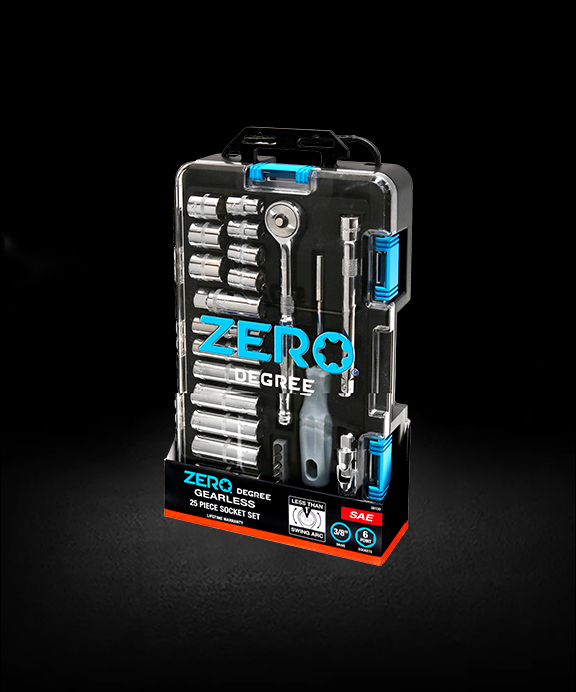
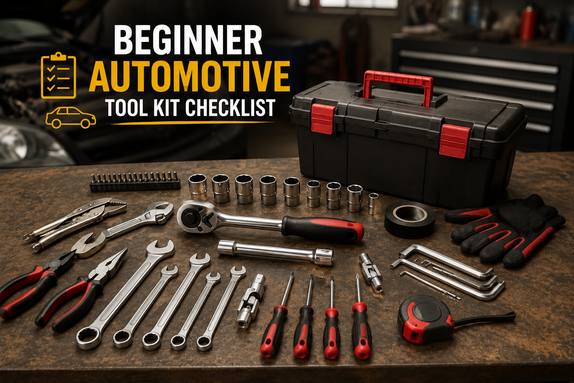
A quality socket wrench set with a ratchet handle is an excellent starting point, followed by a combination fixed wrench set for greater versatility.
Do professional mechanics use both tools?
Yes. Professional mechanics rely on both fixed wrenches and ratchet wrenches because each tool serves a different purpose during vehicle repairs.
Final Thoughts
When comparing fixed wrench vs ratchet wrench, there isn't a one-size-fits-all answer. A fixed wrench offers simplicity, durability, and precision, while a ratchet wrench delivers speed, efficiency, and convenience.
For the best results, every workshop should include both. A quality ratchet wrench, socket wrench set, and fixed wrench set ensure you're prepared for everything from routine maintenance to complex automotive repairs.
Whether you're a DIY enthusiast or a professional mechanic, investing in premium hand tools will make every repair safer, faster, and more efficient.
Leave a comment