New stock Arrived | FREE shipping on orders $199+

The Beginner's Automotive Tool Kit Checklist
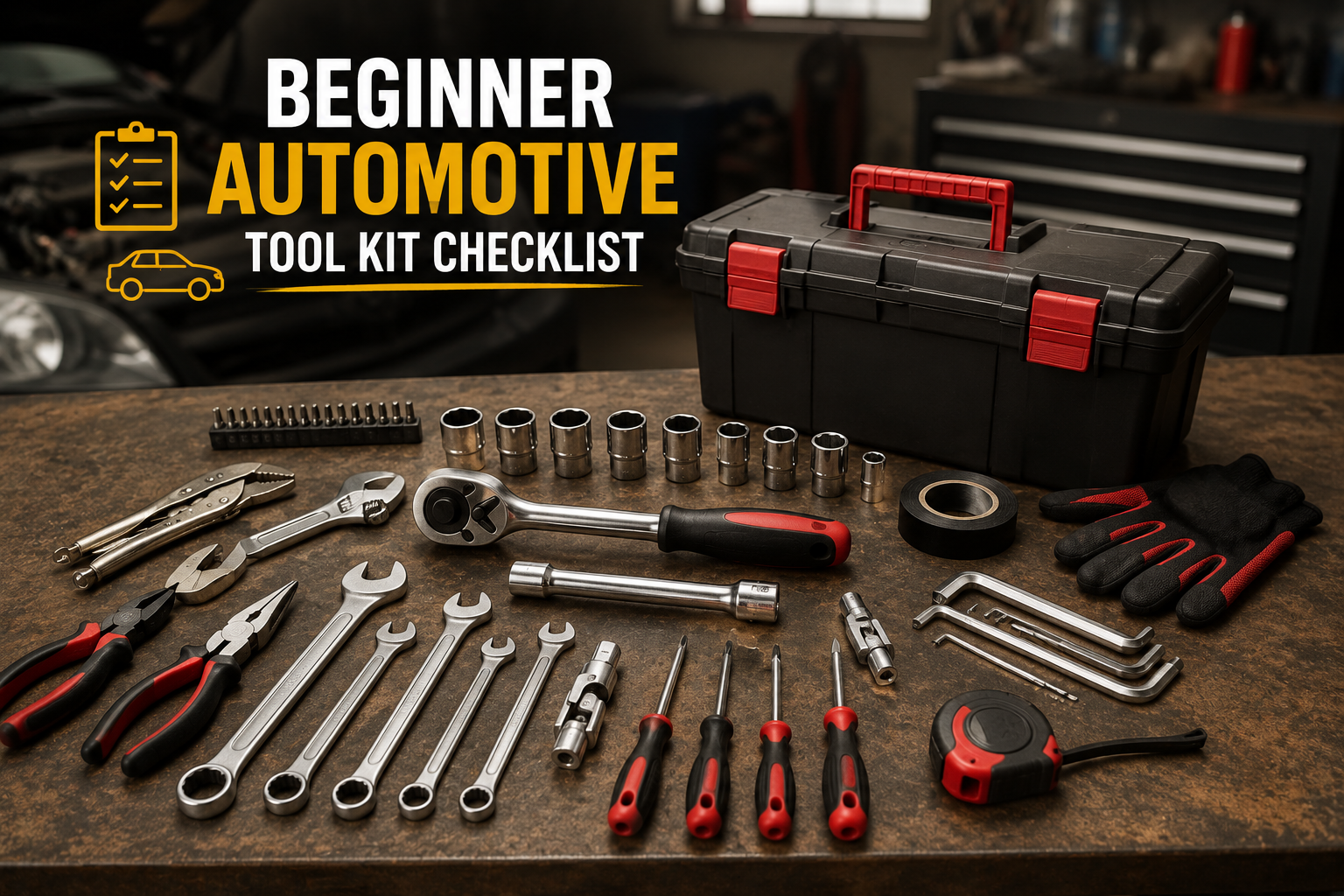
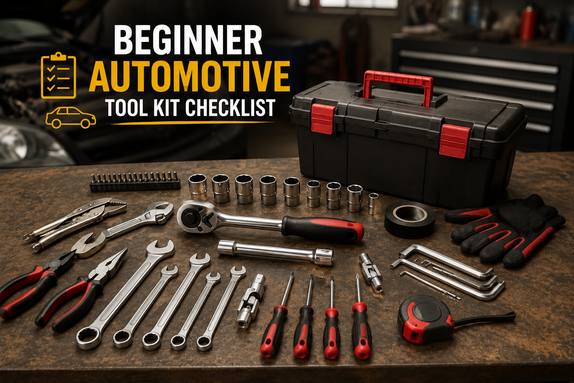
Starting your journey into car maintenance doesn't require a fully equipped professional workshop. With the right automotive tool kit, you can confidently handle routine maintenance, minor repairs, and DIY projects while saving time and money.
Whether you're changing your engine oil, replacing brake pads, or tightening loose components, having reliable hand tools is the foundation of every successful repair. This beginner's automotive tool kit checklist covers the essential tools every DIY mechanic should own.
Why Every Beginner Needs a Quality Automotive Tool Kit
A well-organised automotive tool kit allows you to complete repairs safely and efficiently without constantly borrowing tools or making last-minute trips to the hardware store.
Benefits include:
-
Faster vehicle maintenance
-
Reduced repair costs
-
Better accuracy during repairs
-
Improved safety
-
Greater confidence for DIY projects
Investing in quality tools also means they'll last for years with proper care.
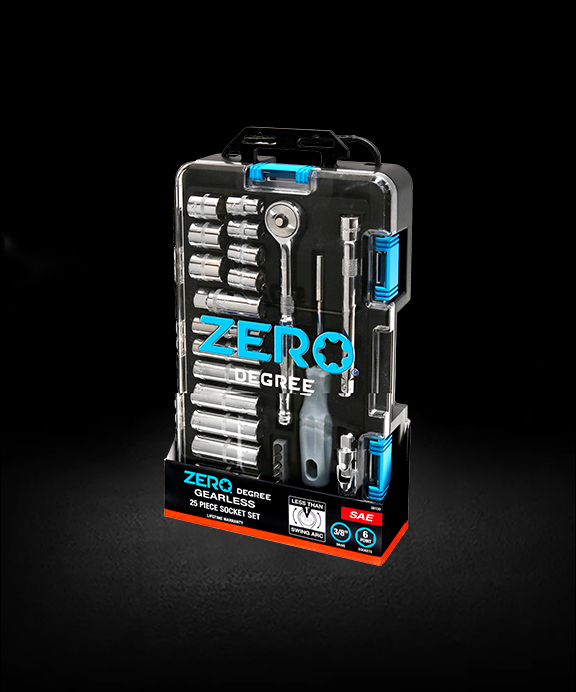
1. Socket Wrench Set
A socket wrench set is one of the most important tools for any automotive job.
It helps remove and tighten nuts and bolts quickly while providing excellent leverage.
Choose a set that includes:
-
Metric sockets
-
Deep sockets
-
Extension bars
-
Universal joint
-
Ratchet handle
A complete socket set will handle most vehicle maintenance tasks.
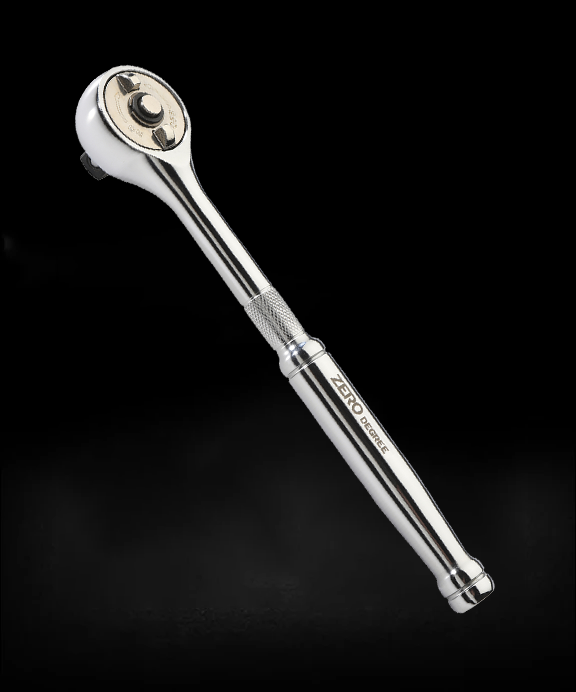
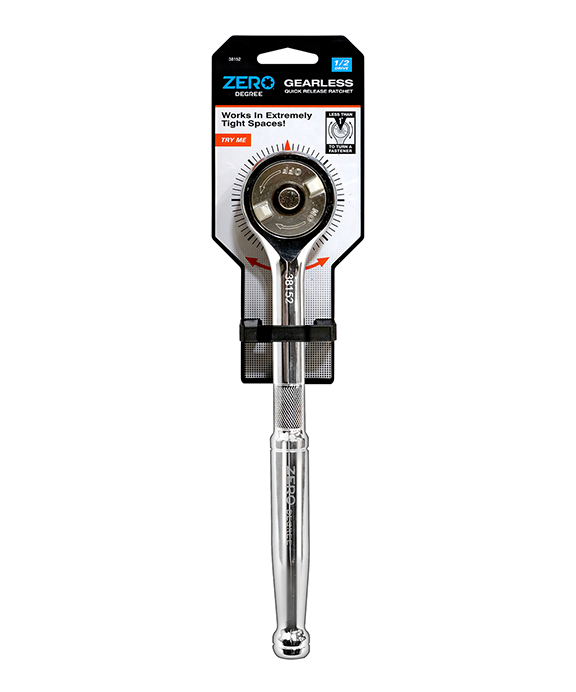
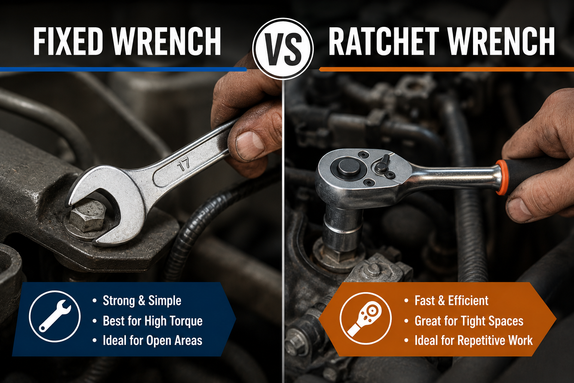
2. Gearless Ratchet or Ratchet Wrench
A premium gearless ratchet offers smoother operation and better access in confined engine bays.
Benefits include:
-
Minimal swing arc
-
Better control
-
Smooth operation
-
Strong torque transfer
-
Excellent durability
It's one of the most versatile tools you'll use.
3. Combination Spanner Set
A quality spanner set is essential for jobs where sockets won't fit.
Look for:
-
Metric sizes
-
Chrome finish
-
Strong steel construction
-
Comfortable grip
Combination spanners are perfect for brake work, suspension repairs, and engine maintenance.
4. Screwdriver Set
You'll need both flat-head and Phillips screwdrivers for interior panels, battery terminals, hose clamps, and various engine components.
Choose screwdrivers with:
-
Magnetic tips
-
Comfortable handles
-
Hardened steel shafts
5. Torque Wrench
Many vehicle components require precise tightening.
A torque wrench helps prevent:
-
Over-tightened bolts
-
Loose fasteners
-
Damaged threads
-
Safety issues
It's especially important for wheel nuts, spark plugs, and engine components.
6. Pliers Set
A beginner should own several types of pliers, including:
-
Needle nose pliers
-
Combination pliers
-
Locking pliers
-
Side cutters
These are useful for gripping, bending, and cutting various materials.
7. Breaker Bar
Some bolts become extremely tight due to corrosion or factory torque specifications.
A breaker bar provides additional leverage without damaging your ratchet.
Ideal for:
-
Wheel nuts
-
Suspension bolts
-
Rusted fasteners
8. Jack and Axle Stands
Never rely solely on a hydraulic jack.
Always support your vehicle using quality axle stands before working underneath it.
Safety should always come first.
9. LED Work Light
Good lighting makes repairs easier and safer.
An LED work light helps you:
-
See inside engine bays
-
Inspect suspension components
-
Work underneath vehicles
-
Spot leaks and damaged parts
Rechargeable models are ideal.
10. Mechanic's Gloves and Safety Glasses
Protective equipment is just as important as your tools.
Always wear:
-
Mechanic's gloves
-
Safety glasses
-
Steel-toe footwear (when required)
Safety should never be overlooked.
11. Wire Brush
Rust and dirt often make repairs more difficult.
A wire brush helps:
-
Clean bolt threads
-
Remove corrosion
-
Prepare surfaces before repairs
It's an inexpensive but valuable addition to your toolkit.
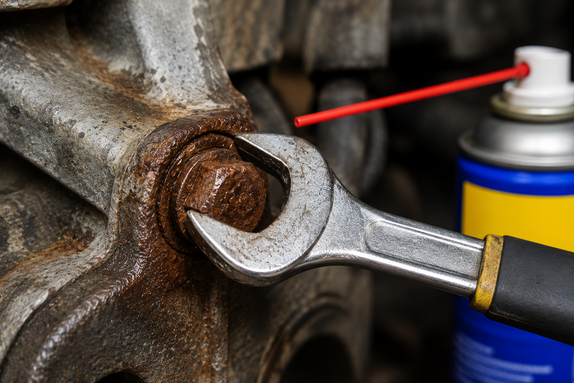
12. Penetrating Oil
Every DIY mechanic should keep penetrating oil nearby.
It helps loosen:
-
Rusted bolts
-
Seized nuts
-
Corroded fasteners
Allow the oil time to soak before attempting removal.
13. Digital Tyre Pressure Gauge
Maintaining correct tyre pressure improves:
-
Fuel economy
-
Tyre life
-
Vehicle handling
-
Road safety
A digital pressure gauge provides quick and accurate readings.
14. Magnetic Parts Tray
Small nuts, bolts, and washers are easy to lose during repairs.
A magnetic tray keeps everything organised and within reach.
15. Tool Storage Box
A durable toolbox keeps your equipment:
-
Organised
-
Protected
-
Easy to transport
-
Ready for every project
Good storage also helps extend the life of your tools.
Bonus Tools to Upgrade Your Workshop
Once you've mastered the basics, consider adding:
-
Impact socket set
-
Torque angle gauge
-
Inspection mirror
-
Flexible extension bar
-
Trim removal tools
-
Digital multimeter
-
OBD2 scanner
-
Magnetic pickup tool
-
Creeper seat
-
Portable air compressor
These tools make more advanced automotive repairs easier and more efficient.
Tips for Choosing Quality Automotive Tools
When buying your first tools, look for:
-
Chrome Vanadium (Cr-V) steel construction
-
Comfortable ergonomic handles
-
Corrosion-resistant finishes
-
Precision-machined sockets
-
Trusted manufacturers
-
Lifetime warranties where available
Quality tools may cost more initially but deliver better performance and last significantly longer.
Common Beginner Mistakes
Avoid these common errors:
-
Buying the cheapest tool sets
-
Using adjustable spanners instead of the correct socket
-
Ignoring torque specifications
-
Working under a car without axle stands
-
Leaving tools exposed to moisture
-
Using worn or damaged tools
Good habits from the start will save time and prevent costly mistakes.
Frequently Asked Questions
What tools should every beginner mechanic own?
A socket wrench set, gearless ratchet, spanner set, torque wrench, screwdrivers, pliers, breaker bar, jack, axle stands, and safety equipment are essential for most DIY automotive repairs.
Do I need a gearless ratchet?
A gearless ratchet provides smoother operation and works well in tight spaces, making it a valuable addition to any beginner's tool kit.
What's the difference between metric and SAE sockets?
Metric sockets are commonly used on modern Australian, European, and Asian vehicles, while SAE sockets are more common on some American vehicles.
Should beginners buy expensive tools?
Choose quality tools that offer durability and precision. They typically last longer and perform better than budget alternatives.
How do I keep my tools in good condition?
Clean tools after use, store them in a dry toolbox, apply light lubrication when needed, and inspect them regularly for wear or damage.
Final Thoughts
Building your first automotive tool kit doesn't have to be complicated. Start with the essentials—such as a socket wrench set, gearless ratchet, spanner set, and safety equipment—and expand your collection as your skills grow.
Reliable hand tools make every repair easier, safer, and more enjoyable. Whether you're maintaining your daily driver or tackling weekend projects, investing in quality tools is the first step towards becoming a confident DIY mechanic.
At Zero Tools, you'll find premium gearless ratchets, socket wrench sets, and professional-grade automotive hand tools designed to help both beginners and experienced mechanics work with confidence.
Leave a comment