New stock Arrived | FREE shipping on orders $199+

How to Remove Rusted Bolts Without Damaging Components
Removing a rusted bolt can quickly turn a simple repair into a frustrating job. Applying too much force often results in stripped bolt heads, broken fasteners, or damage to expensive components. Whether you're working on a vehicle, machinery, or home equipment, using the right techniques and quality hand tools can save time, reduce repair costs, and prevent unnecessary damage.
In this guide, you'll learn how to remove rusted bolts safely, which tools work best, and how to prevent future corrosion.
Why Do Bolts Rust?
Rust forms when steel is exposed to moisture, oxygen, and contaminants over time. Vehicles, outdoor equipment, and machinery are especially vulnerable because they're regularly exposed to rain, road salt, mud, and humidity.
Common causes include:
-
Water and moisture exposure
-
Road salt and chemicals
-
Lack of protective coatings
-
Long periods without maintenance
-
Outdoor storage
As rust builds up, it bonds the bolt and threads together, making removal much more difficult.
Tools You'll Need
Having the right tools makes all the difference when removing stubborn fasteners.
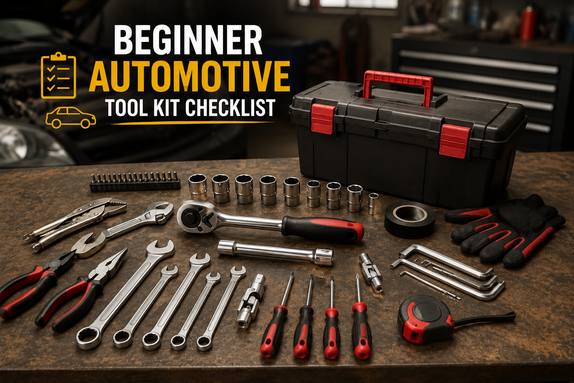
Recommended tools include:
-
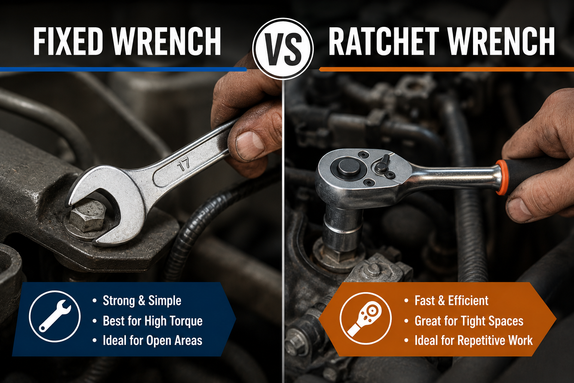
Quality ratchet wrench
-
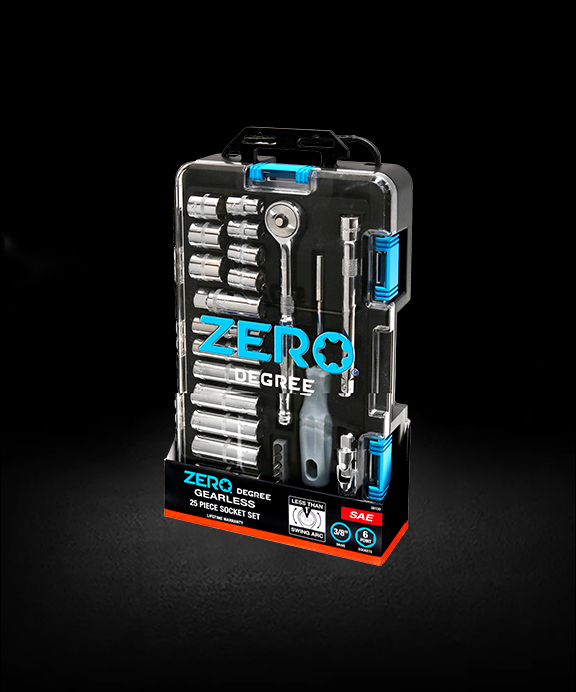
Socket wrench set
-
Six-point impact sockets
-
Breaker bar
-
Penetrating oil
-
Wire brush
-
Locking pliers
-
Torque wrench (for reassembly)
-
Safety gloves and eye protection
Using professional-grade tools provides better grip and reduces the risk of rounding off bolt heads.
Step 1: Clean the Rust First
Before applying force, remove as much loose rust as possible.
Use a wire brush to clean around the bolt head and exposed threads. Removing dirt and corrosion allows penetrating oil to reach deeper into the threads.
Avoid using excessive force at this stage.
Step 2: Apply Penetrating Oil
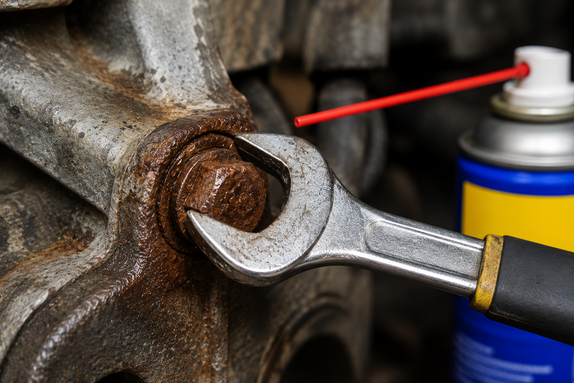
A quality penetrating oil is one of the most effective ways to loosen rusted fasteners.
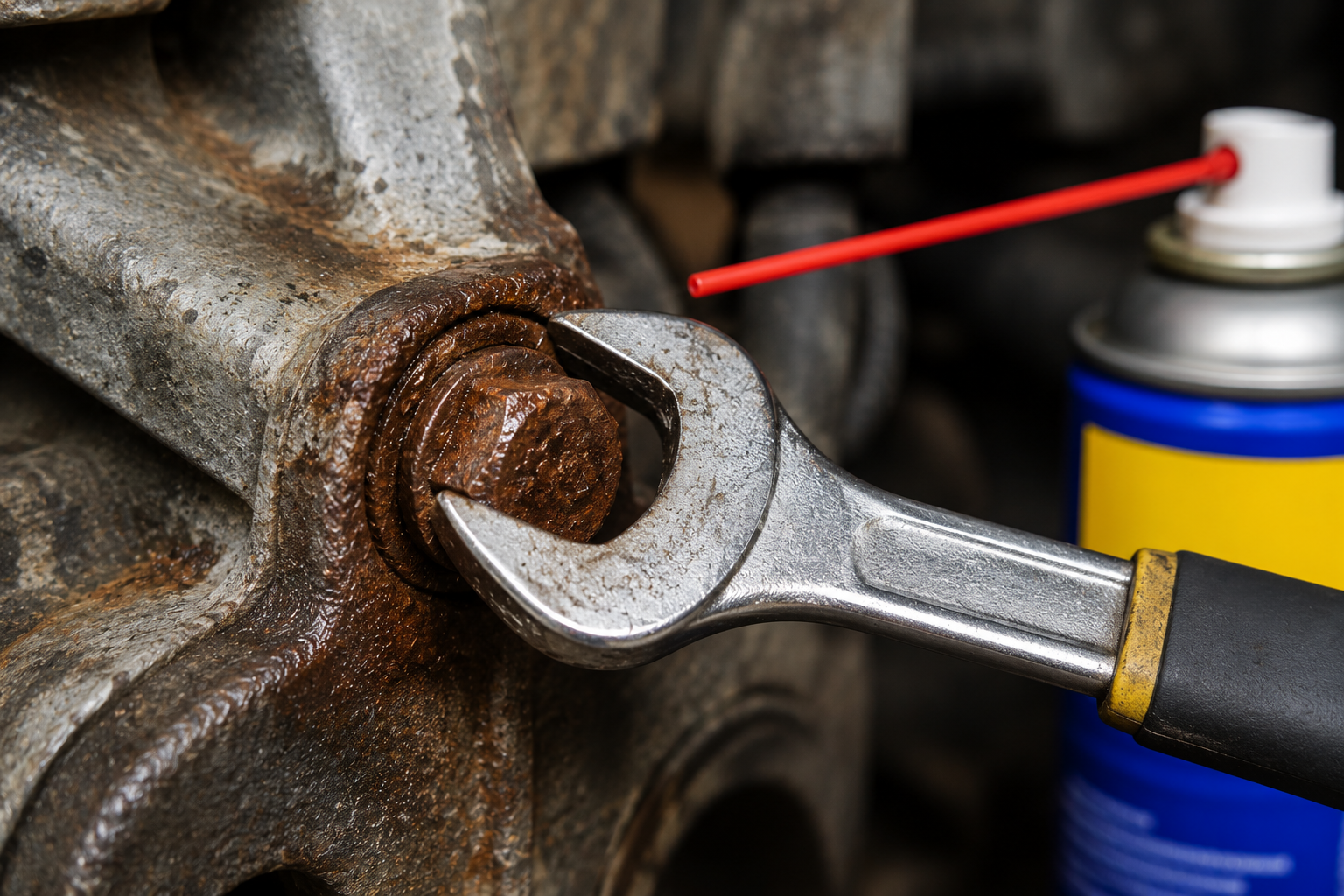
Spray the oil generously around the bolt and allow it to soak for at least 15–30 minutes. For heavily rusted bolts, leaving it overnight often produces better results.
The oil works by creeping into the tiny gaps between the threads and breaking down corrosion.
Step 3: Use the Correct Socket
One of the biggest mistakes is using the wrong socket size.
Always choose:
-
A correctly sized socket
-
A six-point socket instead of a twelve-point socket
-
A high-quality socket with minimal wear
A properly fitting socket grips the bolt securely and helps prevent rounding.
Step 4: Apply Steady Pressure
Instead of sudden force, apply slow and consistent pressure.
A longer ratchet or breaker bar provides additional leverage without placing excessive stress on the bolt head.
If the bolt starts to move slightly, reverse the direction briefly before loosening it again. This helps break away corrosion gradually.
Step 5: Try Tightening First
It may sound surprising, but tightening the bolt slightly before loosening it can help crack the rust bond.
Even a tiny movement can free the threads enough for the penetrating oil to work more effectively.
Step 6: Use Controlled Heat (When Safe)
For severely rusted bolts, controlled heat can expand the surrounding metal and loosen corrosion.
Heat should only be used when:
-
There are no fuel lines nearby.
-
Rubber components are protected.
-
Electronic parts are removed or shielded.
Always follow appropriate safety precautions.
Step 7: Use the Right Ratchet
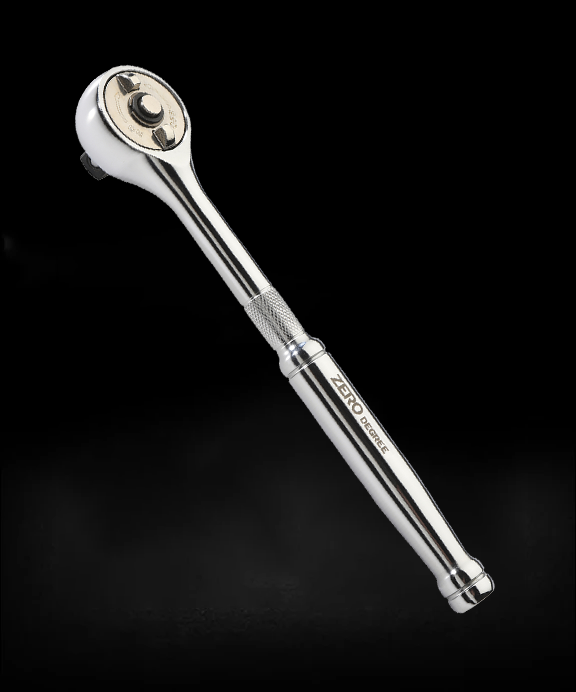
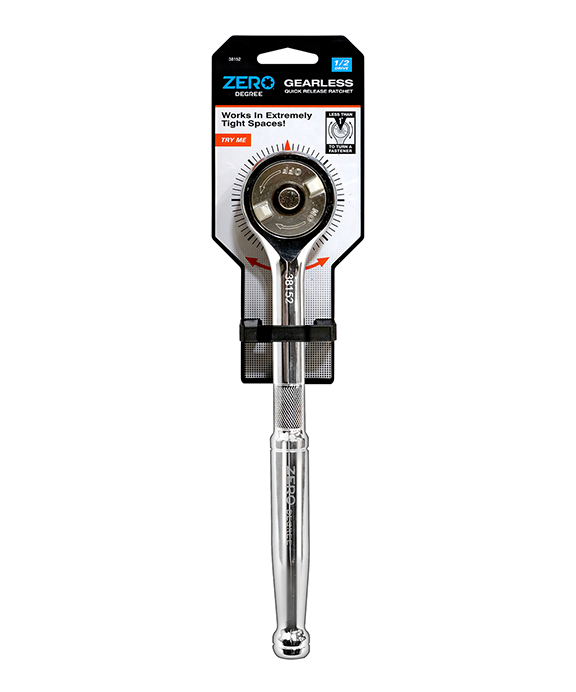
A high-quality gearless ratchet or precision ratchet wrench offers better control in confined spaces.
Benefits include:
-
Improved grip
-
Smooth operation
-
Reduced slipping
-
Better access in tight engine bays
-
Less chance of damaging surrounding components
Professional mechanics often rely on premium ratchets because they deliver consistent performance under heavy loads.
Mistakes to Avoid
Avoid these common errors:
-
Using an adjustable spanner on seized bolts
-
Hammering the ratchet excessively
-
Using the wrong socket size
-
Applying excessive force immediately
-
Ignoring penetrating oil
-
Reusing badly damaged bolts
These mistakes often lead to broken fasteners and expensive repairs.
How to Prevent Rusted Bolts
Prevention is easier than removal.
Follow these maintenance tips:
-
Apply anti-seize compound during installation.
-
Keep components clean and dry.
-
Inspect exposed fasteners regularly.
-
Replace heavily corroded bolts.
-
Store tools in a dry environment.
-
Use quality hardware designed for harsh conditions.
Routine maintenance can significantly extend the life of both bolts and tools.
Why Quality Tools Matter
Cheap tools are more likely to slip, flex, or wear out under heavy torque.
Professional socket wrench sets, ratchet wrenches, and hand tools provide:
-
Better torque transfer
-
Stronger grip on fasteners
-
Longer service life
-
Improved safety
-
Faster repairs
Investing in reliable tools not only makes difficult jobs easier but also helps protect expensive vehicle and machinery components.
Frequently Asked Questions
What is the best way to remove a rusted bolt?
Start by cleaning the rust, apply penetrating oil, use the correct six-point socket, and apply steady pressure with a quality ratchet or breaker bar.
Can penetrating oil loosen heavily rusted bolts?
Yes. Allowing penetrating oil to soak for an extended period helps break down corrosion and makes removal much easier.
Should I use heat on rusted bolts?
Controlled heat can be effective, but it should only be used when it's safe and won't damage nearby components.
Why do bolt heads become rounded?
Rounded bolt heads are usually caused by incorrect socket sizes, worn tools, or applying excessive force too quickly.
Are gearless ratchets good for rusted bolts?
Gearless ratchets provide excellent control and work well in tight spaces, but severely seized bolts may still require a breaker bar for additional leverage.
Final Thoughts
Removing a rusted bolt doesn't have to result in broken fasteners or damaged components. By using the right preparation, applying penetrating oil, selecting the correct socket wrench, and working with high-quality hand tools, you can remove stubborn bolts safely and efficiently.
Whether you're a DIY enthusiast or a professional mechanic, investing in reliable tools will save time, improve safety, and make every repair more productive.
Looking for premium ratchets, socket wrench sets, and professional hand tools? Explore Zero Tools for durable, workshop-ready tools designed to handle demanding jobs with confidence.
Leave a comment